Comprehending Offshore Business Formations: A Comprehensive Guide to the Process and Advantages
Offshore company formations provide a critical avenue for business owners looking for to maximize their business operations. These entities commonly provide benefits such as tax obligation advantages, enhanced privacy, and durable asset protection. Recognizing the complexities of picking a jurisdiction, the formation process, and conformity demands is essential. As the landscape of global business develops, the effects of developing an overseas company warrant mindful consideration. What actions should one require to navigate this complicated surface?
What Is an Offshore Business?
An overseas company is a company entity incorporated outside the territory of its owners' house, usually in a nation with desirable governing and tax atmospheres. These firms can offer numerous functions, consisting of possession defense, worldwide trading, and wealth monitoring. They are commonly established in jurisdictions referred to as tax obligation places, where company tax obligation rates are missing or reduced, and personal privacy legislations are rigid.
Offshore business might be had by people or various other company entities and can operate in numerous fields, including consulting, money, and shopping. While they provide specific benefits, the regulative and lawful structures controling offshore firms differ significantly by jurisdiction. Organization proprietors need to browse these complexities to assure conformity with both international and local regulations. Comprehending the structure and feature of overseas business is necessary for individuals considering this choice for business procedures or possession management.
Advantages of Forming an Offshore Firm
While the decision to form an overseas firm might come from different strategic considerations, the prospective advantages are engaging for many entrepreneur. One considerable benefit is tax optimization; many offshore territories offer favorable tax prices and even tax obligation exemptions, enabling business to maintain more profits. Furthermore, overseas companies commonly offer boosted personal privacy defense, protecting the identities of investors and directors from public analysis.


Company proprietors may discover operational flexibility, as overseas jurisdictions regularly have fewer regulatory obstacles, allowing structured monitoring and administration. Collectively, these benefits make offshore firm formations an eye-catching choice for several looking for to broaden their organization perspectives.
Choosing the Right Territory
Picking the proper jurisdiction for an overseas company is an essential action in making best use of the advantages laid out previously. Different elements affect this choice, consisting of tax obligation regulations, corporate regulations, and the general business atmosphere. Jurisdictions such as the British Virgin Islands, Cayman Islands, and Singapore are typically favored for their positive tax obligation regimes and robust legal frameworks.
It is very important to think about the details demands of business, such as personal privacy demands and regulative compliance. Furthermore, the convenience of doing service, including the effectiveness of company registration and financial facilities, plays a substantial duty.
Possible proprietors need to also examine the political stability and reputation of the picked jurisdiction, as these components can impact long-lasting success. Inevitably, extensive study and specialist examination are suggested to guarantee placement with the firm's goals and to utilize the full potential of overseas benefits.
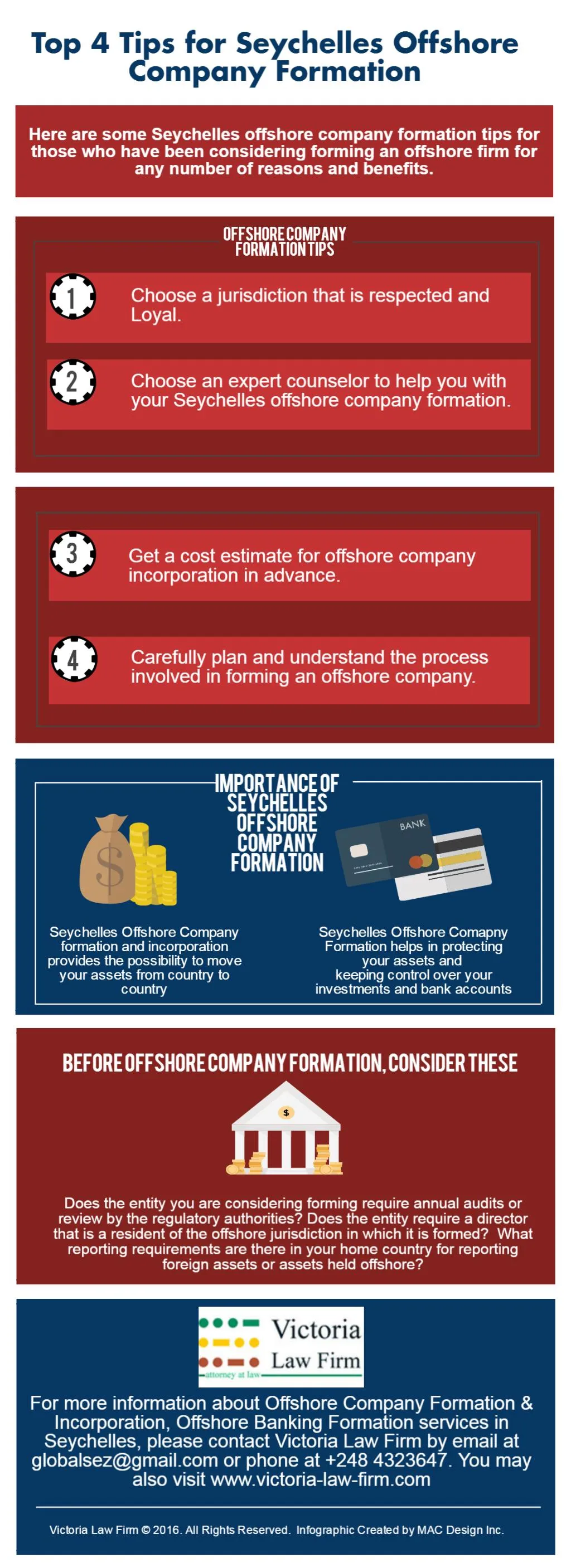
The Offshore Business Development Process
The overseas business formation process includes a series of essential steps that require careful preparation and implementation. Originally, companies or people must choose an ideal jurisdiction that lines up with their goals, taking into consideration aspects such as tax benefits, privacy, and regulative setting. Following this, the following action requires selecting the ideal service framework, such as an International Business Company (IBC) or Restricted Responsibility Business (LLC)
Once the structure is figured out, needed records, including a company plan, identification, and evidence of address, must be prepared. Engaging a reliable local agent or company can enhance this stage, making sure compliance with neighborhood regulations. After sending the required paperwork to the pertinent authorities, the development procedure typically culminates in the issuance of a certificate of consolidation. This document establishes the business as a lawful entity, permitting it to conduct organization internationally.
Lawful Requirements and Compliance
Comprehending the lawful needs and conformity obligations is vital for any person aiming to establish an overseas company. Each territory has particular policies that have to be complied with, which can consist of firm registration, getting necessary licenses, and preserving local addresses. Offshore Company Formations. It is crucial to designate a registered representative that can assist in interaction with neighborhood authorities and guarantee conformity with continuous reporting needs
Furthermore, lots of territories call for the submission of yearly monetary statements, together with tax filings, also if the company does not generate earnings. Supervisors and shareholders have to be recognized, with due diligence procedures frequently mandated to validate their identities. Failing to meet these lawful commitments can result in fines or the dissolution of the firm. Therefore, potential offshore company proprietors ought to talk to lawyers experienced in worldwide service law to navigate these complexities successfully and guarantee complete conformity with all laws.
Tax Implications of Offshore Companies
The tax implications of overseas firms present substantial benefits that draw in numerous entrepreneurs. Recognizing the associated compliance demands is necessary for navigating the intricacies of worldwide tax obligation regulations. This section will certainly explore both the possible advantages and the required obligations connected to overseas organization frameworks.
Tax Benefits Review
Although offshore business are typically viewed with apprehension, they can use considerable tax advantages for companies and individuals seeking to optimize their economic strategies. One of the key advantages is the capacity for lower company tax prices, which can bring about substantial savings. Numerous overseas territories give beneficial tax regimens, consisting of absolutely no or very little tax on revenues, resources gains, and inheritance. In addition, overseas companies can promote global organization operations by minimizing tax obligation liabilities associated with cross-border purchases. This framework may also enable tax obligation deferral chances, permitting profits to grow without immediate taxes. Inevitably, these advantages add to enhanced monetary performance and property defense, making offshore companies an eye-catching choice for wise capitalists and business owners.
Compliance Requirements Clarified
Offshore business might provide tax obligation advantages, yet they likewise feature a set of compliance needs that should be meticulously browsed. These entities are subject to details reporting commitments, which vary considerably depending upon the jurisdiction. Commonly, offshore firms have to keep accurate financial documents and submit annual monetary declarations to conform with neighborhood laws. Additionally, numerous jurisdictions need the disclosure of advantageous ownership to deal with cash laundering and tax evasion. Failure to stick to these conformity actions can lead to extreme charges, including penalties and prospective loss of service licenses. Recognizing the neighborhood tax obligation legislations and international arrangements is vital, as they can affect tax obligation liabilities and total operational legality. Involving with legal and economic specialists is a good idea to assure full compliance.
Maintaining and Handling Your Offshore Company
Maintaining and taking care of an offshore company entails sticking to different continuous conformity needs vital for legal operation. This includes thorough monetary document keeping and an understanding of tax commitments important to the business's jurisdiction. Reliable administration not just assures regulative compliance yet likewise sustains the company's monetary health and durability.
Recurring Compliance Demands
Guaranteeing ongoing conformity is important for any entity operating in the overseas field, as failure to satisfy regulative requirements can cause significant charges and even dissolution of the company. Offshore firms must follow regional legislations, which might include annual declaring of monetary declarations, settlement of needed costs, and preserving a registered workplace address. In addition, firms are commonly required to assign a regional representative or agent to help with communication with authorities. Normal updates on adjustments in regulation or tax obligation demands are necessary for compliance. Adherence to anti-money laundering (AML) and know-your-customer (KYC) policies is important. By preserving arranged records and staying educated, overseas business can ensure they stay compliant and alleviate dangers connected with non-compliance.
Financial Document Keeping
Effective monetary record keeping is important for this article the successful management of any type of offshore business. Maintaining thorough and accurate monetary records help in tracking the business's efficiency, ensuring conformity with regional policies, and assisting in educated decision-making. Companies should execute organized processes for documenting income, expenditures, and purchases to blog produce transparency and accountability. Utilizing accountancy software can streamline this procedure, enabling for real-time economic analysis and reporting. Consistently reviewing financial statements assists identify fads, evaluate success, and take care of capital successfully. It is essential to securely save these records to secure delicate details and assurance easy accessibility throughout audits or financial reviews. By focusing on thorough financial record keeping, overseas companies can boost functional efficiency and support long-term success.
Tax Responsibilities Summary
Recognizing tax obligation responsibilities is important for the correct management of an offshore company, as it directly impacts financial efficiency and compliance. Offshore firms may go through numerous tax laws relying on their territory, including corporate taxes, value-added taxes, and withholding tax obligations. It is important for entrepreneur to stay educated regarding their tax obligations, as failing to conform can bring about penalties and legal problems. Additionally, lots of offshore jurisdictions provide tax obligation incentives, which can substantially profit services if navigated properly. Engaging a knowledgeable tax obligation expert or accountant concentrating on international tax law can assist ensure that firms satisfy their responsibilities while optimizing their tax obligation strategies. Inevitably, diligent tax management adds to the overall success and sustainability of an offshore entity.
Regularly Asked Questions
Can I Open Up a Checking Account for My Offshore Company From Another Location?
The capability to open up a savings account for an offshore company remotely depends on the bank's policies and the jurisdiction's regulations. Numerous banks use remote solutions, yet specific demands might differ significantly in between organizations.
What Are the Costs Associated With Forming an Offshore Firm?
The expenses associated with forming an overseas company usually consist of enrollment fees, legal and consulting expenditures, and recurring maintenance charges. These expenses differ significantly based on jurisdiction, intricacy of the business framework, and certain solutions called for.
Are There Constraints on Who Can Be an Investor?
Restrictions on shareholders vary by territory. Some nations might enforce constraints based upon residency, business, or race type - Offshore Company Formations. It's crucial for possible financiers to research particular regulations suitable to their selected offshore location
For how long Does the Offshore Firm Development Refine Usually Take?
The offshore business development procedure typically takes in between a couple of days to numerous weeks. Variables affecting the timeline consist of territory needs, file preparation, and responsiveness of pertinent authorities entailed in the enrollment process.
What Takes place if I Fail to Adhere To Regional Laws?
Failure to abide by neighborhood regulations can result in serious penalties, including penalties, lawful action, or loss of business licenses - Offshore Company Formations. It might also harm the business's credibility and look at this site hinder future business chances in the territory
An overseas business is a company entity incorporated outside the jurisdiction of its proprietors' house, often in a country with desirable regulatory and tax obligation environments. One significant advantage is tax obligation optimization; numerous offshore jurisdictions provide beneficial tax prices or even tax obligation exemptions, allowing firms to keep more earnings. Offshore firms are frequently viewed with apprehension, they can use substantial tax obligation benefits for services and people looking for to optimize their economic approaches. Additionally, offshore business can assist in global company procedures by decreasing tax obligation responsibilities associated with cross-border deals. Offshore companies might be subject to different tax laws depending on their jurisdiction, consisting of company tax obligations, value-added taxes, and withholding tax obligations.
Comments on “Common Questions About Offshore Company Formations Answered by Experts”